





Puppies are bundles of joy, energy, and curiosity. Their playful antics can bring a smile to anyone’s face. But did you know that playtime is not just for entertainment? It plays a crucial role in your puppy’s development. Enter Valplekar—a concept rooted in understanding the importance of puppy play for their overall well-being. From social skills to physical health, engaging in fun activities with your furry friend lays the foundation for a happy and balanced life. So, let’s dive into why fostering this playful spirit matters more than ever!
- What is Valplekar?
- The Benefits of Puppy Play
- Socialization through Play
- Physical and Mental Health Benefits
- How to Incorporate More Play into Your Puppy’s Routine
- Common Mistakes to Avoid When Playing with Your Puppy
- Conclusion and the Importance of a Balanced Approach to Puppy Play
- What is Valplekar?
- The Benefits of Puppy Play
- Socialization through Play
- Physical and Mental Health Benefits
- How to Incorporate More Play into Your Puppy’s Routine
- Common Mistakes to Avoid When Playing with Your Puppy
- Conclusion and the Importance of a Balanced Approach to Puppy Play
- What is Valplekar?
- The Benefits of Puppy Play
- Socialization through Play
- Physical and Mental Health Benefits
- How to Incorporate More Play into Your Puppy’s Routine
- Common Mistakes to Avoid When Playing with Your Puppy
- Conclusion and the Importance of a Balanced Approach to Puppy Play
What is Valplekar?
Valplekar is a holistic approach to puppy development that emphasizes the significance of play. It combines various elements of training, health, and social interaction to ensure puppies grow into well-adjusted adult dogs.
At its core, Valplekar recognizes that play isn’t just fun; it’s an essential part of learning. Through playful interactions, puppies explore their environment and understand social cues.
This concept also encourages pet owners to engage more deeply with their furry companions. Whether through structured games or spontaneous fun, every moment contributes to a pup’s growth.
Incorporating Valplekar means prioritizing quality time spent in play. This fosters bonds between you and your puppy while enhancing their mental agility and emotional stability. Each wagging tail during playtime signals not just joy but also profound developmental benefits waiting to unfold.
The Benefits of Puppy Play
Puppy play is essential for fostering a healthy and well-adjusted dog. It serves as a natural outlet for energy, allowing puppies to release pent-up excitement in positive ways.
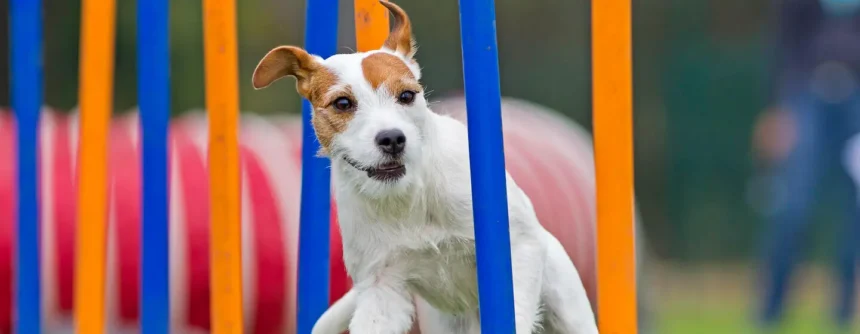
Engaging in playful activities enhances their motor skills and coordination. Puppies learn to navigate their environment while developing muscle strength. This physical engagement lays the groundwork for future agility.
Playtime also introduces critical social cues. Through interaction with other dogs or humans, puppies grasp important lessons on boundaries and communication. They gain insights into appropriate behavior that shapes how they relate to others later in life.
Additionally, play acts as an emotional buffer against anxiety or behavioral issues. It provides a safe space where pups can explore feelings of joy and curiosity without fear. The laughter shared during these moments strengthens bonds between pets and owners too, making every wag worth it.
Socialization through Play
Socialization is a crucial part of your puppy’s development. Through play, they learn how to interact with other dogs and humans. This interaction builds their confidence and helps reduce fearfulness in new situations.
When puppies engage in play, they practice essential skills like body language reading and communication. They start to understand social cues from their peers—learning when to be playful or when it’s time to back off.
Group activities, such as puppy classes or dog parks, provide fantastic opportunities for socialization. These environments introduce diverse personalities that challenge your pup’s adaptability and resilience.
Even at home, playing with different toys can help expose them to various textures and sounds. Encouraging mixed-group play—both with people and animals—will prepare them for the wide world outside their front door.
Physical and Mental Health Benefits
Puppy play is not just fun; it’s crucial for physical health. When puppies engage in playful activities, they improve their coordination and enhance their muscle development. Running, jumping, and chasing after toys help build strong bones and maintain a healthy weight.
Mental health benefits are equally important. Play stimulates cognitive functions by encouraging problem-solving skills as puppies navigate obstacles or learn new tricks. This mental engagement keeps them sharp and ready to learn.
Moreover, social interactions during playtime can alleviate anxiety or fearfulness in young dogs. A well-socialized puppy often grows into a more confident adult dog.
Providing varied play experiences also combats boredom, reducing the likelihood of behavioral issues stemming from excess energy or frustration. It creates an enriching environment conducive to both physical vitality and emotional stability in your growing pup.
How to Incorporate More Play into Your Puppy’s Routine
To enrich your puppy’s daily routine, introduce structured playtime each day. Designate specific times for interactive sessions that are fun and engaging.
Toys can make a huge difference. Rotate different types of toys to keep things fresh. Chew toys, balls, and plush items all offer unique experiences.
Incorporate games like hide-and-seek or fetch into your outings. These activities stimulate both mental and physical energy while deepening your bond.
Consider using technology too; puzzle feeders challenge their minds during mealtime, turning eating into an exciting game.
Invite other puppies over for playdates in safe environments. This not only provides socialization but allows them to learn from one another’s playful antics.
Remember to observe your pup during playtime. Not every dog enjoys the same activities, so be flexible and adjust based on their preferences and energy levels.
Common Mistakes to Avoid When Playing with Your Puppy
One common mistake many puppy owners make is using their hands as toys. This can lead to biting habits that are hard to break later. Instead, always provide appropriate chew toys.
Another pitfall is not paying attention to your puppy’s body language. If they’re showing signs of stress or fatigue, it’s crucial to give them a break. Pushing them too hard can create negative associations with playtime.
Some owners might inadvertently encourage aggressive play by allowing roughhousing with other dogs or people. Setting boundaries early on helps puppies learn acceptable behavior during interactions.
Neglecting variety in play activities can dull your puppy’s interest over time. Incorporate different games and environments to keep things exciting and stimulating for their developing minds and bodies.
Conclusion and the Importance of a Balanced Approach to Puppy Play
When it comes to your puppy’s development, finding a balanced approach to play is crucial. Engaging in activities that encourage socialization and Valplekar: The Importance of Puppy Play in Development, Socialization, and Health
Puppies are bundles of joy, energy, and curiosity. Their playful antics can bring a smile to anyone’s face. But did you know that playtime is not just for entertainment? It plays a crucial role in your puppy’s development. Enter Valplekar—a concept rooted in understanding the importance of puppy play for their overall well-being. From social skills to physical health, engaging in fun activities with your furry friend lays the foundation for a happy and balanced life. So, let’s dive into why fostering this playful spirit matters more than ever!
What is Valplekar?
Valplekar is a holistic approach to puppy development that emphasizes the significance of play. It combines various elements of training, health, and social interaction to ensure puppies grow into well-adjusted adult dogs.
At its core, Valplekar recognizes that play isn’t just fun; it’s an essential part of learning. Through playful interactions, puppies explore their environment and understand social cues.
This concept also encourages pet owners to engage more deeply with their furry companions. Whether through structured games or spontaneous fun, every moment contributes to a pup’s growth.
Incorporating Valplekar means prioritizing quality time spent in play. This fosters bonds between you and your puppy while enhancing their mental agility and emotional stability. Each wagging tail during playtime signals not just joy but also profound developmental benefits waiting to unfold.
The Benefits of Puppy Play
Puppy play is essential for fostering a healthy and well-adjusted dog. It serves as a natural outlet for energy, allowing puppies to release pent-up excitement in positive ways.
Engaging in playful activities enhances their motor skills and coordination. Puppies learn to navigate their environment while developing muscle strength. This physical engagement lays the groundwork for future agility.
Playtime also introduces critical social cues. Through interaction with other dogs or humans, puppies grasp important lessons on boundaries and communication. They gain insights into appropriate behavior that shapes how they relate to others later in life.
Additionally, play acts as an emotional buffer against anxiety or behavioral issues. It provides a safe space where pups can explore feelings of joy and curiosity without fear. The laughter shared during these moments strengthens bonds between pets and owners too, making every wag worth it.
Socialization through Play
Socialization is a crucial part of your puppy’s development. Through play, they learn how to interact with other dogs and humans. This interaction builds their confidence and helps reduce fearfulness in new situations.
When puppies engage in play, they practice essential skills like body language reading and communication. They start to understand social cues from their peers—learning when to be playful or when it’s time to back off.
Group activities, such as puppy classes or dog parks, provide fantastic opportunities for socialization. These environments introduce diverse personalities that challenge your pup’s adaptability and resilience.
Even at home, playing with different toys can help expose them to various textures and sounds. Encouraging mixed-group play—both with people and animals—will prepare them for the wide world outside their front door.
Physical and Mental Health Benefits
Puppy play is not just fun; it’s crucial for physical health. When puppies engage in playful activities, they improve their coordination and enhance their muscle development. Running, jumping, and chasing after toys help build strong bones and maintain a healthy weight.
Mental health benefits are equally important. Play stimulates cognitive functions by encouraging problem-solving skills as puppies navigate obstacles or learn new tricks. This mental engagement keeps them sharp and ready to learn.
Moreover, social interactions during playtime can alleviate anxiety or fearfulness in young dogs. A well-socialized puppy often grows into a more confident adult dog.
Providing varied play experiences also combats boredom, reducing the likelihood of behavioral issues stemming from excess energy or frustration. It creates an enriching environment conducive to both physical vitality and emotional stability in your growing pup.
How to Incorporate More Play into Your Puppy’s Routine
To enrich your puppy’s daily routine, introduce structured playtime each day. Designate specific times for interactive sessions that are fun and engaging.
Toys can make a huge difference. Rotate different types of toys to keep things fresh. Chew toys, balls, and plush items all offer unique experiences.
Incorporate games like hide-and-seek or fetch into your outings. These activities stimulate both mental and physical energy while deepening your bond.
Consider using technology too; puzzle feeders challenge their minds during mealtime, turning eating into an exciting game.
Invite other puppies over for playdates in safe environments. This not only provides socialization but allows them to learn from one another’s playful antics.
Remember to observe your pup during playtime. Not every dog enjoys the same activities, so be flexible and adjust based on their preferences and energy levels.
Common Mistakes to Avoid When Playing with Your Puppy
One common mistake many puppy owners make is using their hands as toys. This can lead to biting habits that are hard to break later. Instead, always provide appropriate chew toys.
Another pitfall is not paying attention to your puppy’s body language. If they’re showing signs of stress or fatigue, it’s crucial to give them a break. Pushing them too hard can create negative associations with playtime.
Some owners might inadvertently encourage aggressive play by allowing roughhousing with other dogs or people. Setting boundaries early on helps puppies learn acceptable behavior during interactions.
Neglecting variety in play activities can dull your puppy’s interest over time. Incorporate different games and environments to keep things exciting and stimulating for their developing minds and bodies.
Conclusion and the Importance of a Balanced Approach to Puppy Play
When it comes to your puppy’s development, finding a balanced approach to play is crucial. Engaging in activities that encourage socialization and Valplekar: The Importance of Puppy Play in Development, Socialization, and Health
Puppies are bundles of joy, energy, and curiosity. Their playful antics can bring a smile to anyone’s face. But did you know that playtime is not just for entertainment? It plays a crucial role in your puppy’s development. Enter Valplekar—a concept rooted in understanding the importance of puppy play for their overall well-being. From social skills to physical health, engaging in fun activities with your furry friend lays the foundation for a happy and balanced life. So, let’s dive into why fostering this playful spirit matters more than ever!
What is Valplekar?
Valplekar is a holistic approach to puppy development that emphasizes the significance of play. It combines various elements of training, health, and social interaction to ensure puppies grow into well-adjusted adult dogs.
At its core, Valplekar recognizes that play isn’t just fun; it’s an essential part of learning. Through playful interactions, puppies explore their environment and understand social cues.
This concept also encourages pet owners to engage more deeply with their furry companions. Whether through structured games or spontaneous fun, every moment contributes to a pup’s growth.
Incorporating Valplekar means prioritizing quality time spent in play. This fosters bonds between you and your puppy while enhancing their mental agility and emotional stability. Each wagging tail during playtime signals not just joy but also profound developmental benefits waiting to unfold.
The Benefits of Puppy Play
Puppy play is essential for fostering a healthy and well-adjusted dog. It serves as a natural outlet for energy, allowing puppies to release pent-up excitement in positive ways.
Engaging in playful activities enhances their motor skills and coordination. Puppies learn to navigate their environment while developing muscle strength. This physical engagement lays the groundwork for future agility.
Playtime also introduces critical social cues. Through interaction with other dogs or humans, puppies grasp important lessons on boundaries and communication. They gain insights into appropriate behavior that shapes how they relate to others later in life.
Additionally, play acts as an emotional buffer against anxiety or behavioral issues. It provides a safe space where pups can explore feelings of joy and curiosity without fear. The laughter shared during these moments strengthens bonds between pets and owners too, making every wag worth it.
Socialization through Play
Socialization is a crucial part of your puppy’s development. Through play, they learn how to interact with other dogs and humans. This interaction builds their confidence and helps reduce fearfulness in new situations.
When puppies engage in play, they practice essential skills like body language reading and communication. They start to understand social cues from their peers—learning when to be playful or when it’s time to back off.
Group activities, such as puppy classes or dog parks, provide fantastic opportunities for socialization. These environments introduce diverse personalities that challenge your pup’s adaptability and resilience.
Even at home, playing with different toys can help expose them to various textures and sounds. Encouraging mixed-group play—both with people and animals—will prepare them for the wide world outside their front door.
Physical and Mental Health Benefits
Puppy play is not just fun; it’s crucial for physical health. When puppies engage in playful activities, they improve their coordination and enhance their muscle development. Running, jumping, and chasing after toys help build strong bones and maintain a healthy weight.
Mental health benefits are equally important. Play stimulates cognitive functions by encouraging problem-solving skills as puppies navigate obstacles or learn new tricks. This mental engagement keeps them sharp and ready to learn.
Moreover, social interactions during playtime can alleviate anxiety or fearfulness in young dogs. A well-socialized puppy often grows into a more confident adult dog.
Providing varied play experiences also combats boredom, reducing the likelihood of behavioral issues stemming from excess energy or frustration. It creates an enriching environment conducive to both physical vitality and emotional stability in your growing pup.
How to Incorporate More Play into Your Puppy’s Routine
To enrich your puppy’s daily routine, introduce structured playtime each day. Designate specific times for interactive sessions that are fun and engaging.
Toys can make a huge difference. Rotate different types of toys to keep things fresh. Chew toys, balls, and plush items all offer unique experiences.
Incorporate games like hide-and-seek or fetch into your outings. These activities stimulate both mental and physical energy while deepening your bond.
Consider using technology too; puzzle feeders challenge their minds during mealtime, turning eating into an exciting game.
Invite other puppies over for playdates in safe environments. This not only provides socialization but allows them to learn from one another’s playful antics.
Remember to observe your pup during playtime. Not every dog enjoys the same activities, so be flexible and adjust based on their preferences and energy levels.
Common Mistakes to Avoid When Playing with Your Puppy
One common mistake many puppy owners make is using their hands as toys. This can lead to biting habits that are hard to break later. Instead, always provide appropriate chew toys.
Another pitfall is not paying attention to your puppy’s body language. If they’re showing signs of stress or fatigue, it’s crucial to give them a break. Pushing them too hard can create negative associations with playtime.
Some owners might inadvertently encourage aggressive play by allowing roughhousing with other dogs or people. Setting boundaries early on helps puppies learn acceptable behavior during interactions.
Neglecting variety in play activities can dull your puppy’s interest over time. Incorporate different games and environments to keep things exciting and stimulating for their developing minds and bodies.
Conclusion and the Importance of a Balanced Approach to Puppy Play
When it comes to your puppy’s development, finding a balanced approach to play is crucial. Engaging in activities that encourage socialization and physical exercise paves the way for healthy growth. However, it’s equally important to recognize when playtime has gone too far or become overwhelming.
Puppy play should be fun and enriching, but not chaotic or stressful. This balance helps foster confidence and positive behavior as they grow older. Keep an eye on your puppy’s cues, ensuring they feel safe and comfortable during play sessions.
Integrating structured games alongside free play can help establish boundaries while still allowing for creativity and exploration. Remember that each pup is unique; adjust their routine based on their personality and energy levels.
Building relationships through playful interactions nurtures trust between you and your furry friend. As you embark on this journey together, aim for variety in activities—this keeps things stimulating while supporting their overall health.
Prioritizing both structured exercises like obedience training along with spontaneous adventures will cultivate a well-rounded companion ready to face the world confidently. Your involvement plays a pivotal role in shaping these experiences into something meaningful—not just today but throughout their life stages ahead. Embrace every moment spent playing with your puppy; it’s an investment into their future happiness and well-being. paves the way for healthy growth. However, it’s equally important to recognize when playtime has gone too far or become overwhelming.
Puppy play should be fun and enriching, but not chaotic or stressful. This balance helps foster confidence and positive behavior as they grow older. Keep an eye on your puppy’s cues, ensuring they feel safe and comfortable during play sessions.
Integrating structured games alongside free play can help establish boundaries while still allowing for creativity and exploration. Remember that each pup is unique; adjust their routine based on their personality and energy levels.
Building relationships through playful interactions nurtures trust between you and your furry friend. As you embark on this journey together, aim for variety in activities—this keeps things stimulating while supporting their overall health.
Prioritizing both structured exercises like obedience training along with spontaneous adventures will cultivate a well-rounded companion ready to face the world confidently. Your involvement plays a pivotal role in shaping these experiences into something meaningful—not just today but throughout their life stages ahead. Embrace every moment spent playing with your puppy; it’s an investment into their future happiness and well-being. paves the way for healthy growth. However, it’s equally important to recognize when playtime has gone too far or become overwhelming.
Puppy play should be fun and enriching, but not chaotic or stressful. This balance helps foster confidence and positive behavior as they grow older. Keep an eye on your puppy’s cues, ensuring they feel safe and comfortable during play sessions.
Integrating structured games alongside free play can help establish boundaries while still allowing for creativity and exploration. Remember that each pup is unique; adjust their routine based on their personality and energy levels.
Building relationships through playful interactions nurtures trust between you and your furry friend. As you embark on this journey together, aim for variety in activities—this keeps things stimulating while supporting their overall health.
Prioritizing both structured exercises like obedience training along with spontaneous adventures will cultivate a well-rounded companion ready to face the world confidently. Your involvement plays a pivotal role in shaping these experiences into something meaningful—not just today but throughout their life stages ahead. Embrace every moment spent playing with your puppy; it’s an investment into their future happiness and well-being.