






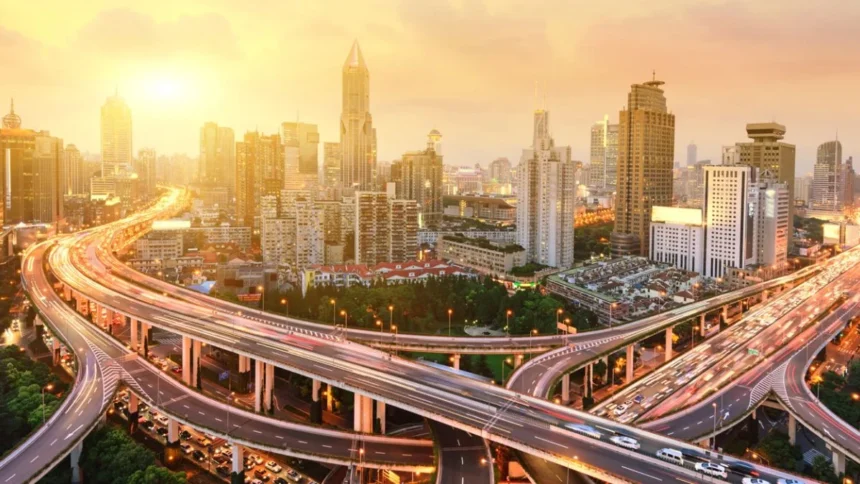

Imagine a world where urban living transcends the traditional confines of city life. A place where technology and sustainability blend seamlessly, creating vibrant communities that thrive together. Welcome to Axurbain—a concept poised to redefine how we experience our cities. As urban populations swell and environmental concerns mount, the need for innovative solutions has never been more pressing. Axurbain offers a glimpse into an advanced future of urban living, promising not just smart homes but smarter communities.
In this exploration, we’ll dive deep into what Axurbain truly means, tracing its roots alongside the evolution of urban environments. We’ll also examine cutting-edge technologies driving this movement and highlight the benefits it brings to communities around the globe. But it’s not all smooth sailing; challenges lurk on the horizon too. Let’s navigate through successful implementations while envisioning what lies ahead in this exciting journey toward sustainable urban living.
What is Axurbain?
Axurbain is more than just a buzzword; it represents a transformative vision for urban living. At its core, Axurbain integrates advanced technologies and sustainable practices to create smarter cities.
This concept emphasizes community engagement, encouraging residents to participate in decision-making processes that shape their environment. It’s about fostering connections—between people and technology, as well as between neighborhoods.
In Axurbain spaces, green architecture plays a pivotal role. Buildings are designed not only with aesthetics in mind but also sustainability. Energy-efficient systems reduce carbon footprints while enhancing the quality of life for inhabitants.
Mobility solutions are another key aspect. Think electric public transport options and pedestrian-friendly designs that promote healthier lifestyles and ease congestion.
Axurbain aims to harmonize urban living with nature, ensuring cities evolve into eco-friendly ecosystems where innovation meets community values.
The Evolution of Urban Living
Urban living has undergone a remarkable transformation over the centuries. From ancient cities built around trade routes to sprawling metropolises, each phase reflects cultural and technological shifts.
In early urban areas, life revolved around community and agriculture. Homes were close-knit, fostering social connections among neighbors. As industrialization began, cities expanded rapidly. Factories emerged, drawing people in search of work.
The 20th century saw the advent of skyscrapers and suburbs. Urban sprawl became commonplace as families sought space outside city centers. This shift created challenges like traffic congestion and pollution.
Today, we’re witnessing another change fueled by technology and sustainability goals. Smart technologies integrate into our lives while green spaces redefine how we interact with nature in urban settings.
As we embrace these transformations, the essence of urban living continues to evolve—shaping not just where we live but how we connect with one another in this ever-changing landscape.
Advancements in Technology and Sustainability
Axurbain thrives on the synergy between cutting-edge technology and sustainable practices. Smart city infrastructure is at its core, integrating IoT devices that monitor energy usage and optimize resources in real-time.
Renewable energy sources are becoming staples in urban environments. Solar panels, wind turbines, and geothermal systems provide clean energy to power homes and businesses alike. This transition significantly reduces carbon footprints while supporting local economies.
Additionally, green building materials are gaining traction. These eco-friendly options not only lower environmental impact but also promote healthier living spaces for residents. Advanced insulation technologies further enhance energy efficiency.
Transportation innovations play a crucial role as well. Electric vehicles (EVs) paired with smart traffic management systems reduce congestion and emissions within city limits.
The fusion of these advancements crafts a more resilient urban future where communities thrive amidst technological progress and ecological mindfulness.
Benefits of Axurbain for Communities
Axurbain transforms communities by prioritizing connectivity and inclusivity. Public spaces are thoughtfully designed, encouraging social interactions among residents. This fosters a sense of belonging that is often missing in traditional urban settings.
Sustainability is another key aspect. Axurbain incorporates green technologies, reducing carbon footprints while enhancing the quality of life. Residents enjoy cleaner air and access to nature within their neighborhoods.
Economic opportunities flourish as local businesses thrive in these vibrant environments. The focus on walkability boosts foot traffic, benefiting shops and services alike.
Safety also improves with well-lit streets and community engagement initiatives. Enhanced security measures create an environment where people feel secure walking at night or engaging in outdoor activities.
Educational resources grow through partnerships between schools and local organizations, ensuring that every resident has access to learning opportunities tailored to their needs.
Challenges and Criticisms of Axurbain
While Axurbain presents exciting possibilities, it also faces several challenges and criticisms. One major concern is the significant cost involved in implementing advanced infrastructure. Many cities struggle to allocate funds for such ambitious projects.
Moreover, there are questions about inclusivity. Critics argue that not all community members benefit equally from these innovations. The fear of gentrification looms large as urban upgrades could displace lower-income residents.
Another challenge lies in the integration of technology with daily life. Not everyone is tech-savvy or has access to digital tools, potentially widening the gap between different demographics.
Environmental impact remains a topic of debate as well. While Axurbain aims for sustainability, some initiatives may inadvertently lead to increased waste or energy consumption if not managed properly.
Regulatory hurdles can slow down progress. Bureaucratic processes often hinder rapid innovation and adaptation within urban planning frameworks.
Case Studies: Successful Examples of Axurbain Implementation
One of the standout examples of Axurbain in action is Singapore’s Smart Nation initiative. This project integrates technology into urban planning, enhancing connectivity and efficiency in city services. With its extensive smart sensor network, residents enjoy real-time data on traffic and public transport.
Barcelona serves as another compelling case study. The city’s implementation of smart lighting systems not only conserves energy but also improves safety after dark. Through innovative apps, citizens can interact with their environment more effectively.
In Australia, the City of Melbourne has embraced sustainable urban design through green roofs and vertical gardens. These initiatives reduce heat islands and improve air quality while providing green spaces for community interaction.
These successful implementations highlight how Axurbain can transform cities into vibrant ecosystems that prioritize sustainability and livability for all residents.
Future Possibilities and Potential Impact on Society
The future of Axurbain holds immense promise. Imagine cities where nature and technology coexist harmoniously. Vertical gardens, solar panels, and smart infrastructure could transform urban landscapes.
These innovations may redefine community interactions. Public spaces designed for gatherings can foster social ties and encourage collaboration among residents.
Moreover, the shift towards sustainable practices might inspire a generation to prioritize eco-friendly choices in daily life. This change could lead to reduced carbon footprints across entire communities.
Economic opportunities are another exciting aspect. As industries adapt to this new urban model, job creation will likely flourish in green technologies and innovative services.
Education also stands at the forefront of this transformation. Schools integrated into these environments can provide hands-on learning experiences about sustainability and technology, shaping environmentally conscious citizens from an early age.
With creativity at play, Axurbain has the potential to revolutionize lifestyles while addressing pressing societal challenges effectively.
Conclusion
As urban environments evolve, the concept of Axurbain stands at the forefront of innovation. This approach aims to integrate advanced technology with sustainable practices, creating livable spaces for future generations. With a focus on community well-being and environmental responsibility, Axurbain models offer transformative solutions to contemporary urban challenges.
The benefits are clear: healthier living conditions, reduced carbon footprints, and enhanced social connectivity can redefine how we experience city life. However, this shift does not come without hurdles. Addressing criticisms regarding inclusivity and infrastructure is essential for successful implementation.
Case studies from around the globe demonstrate that when executed thoughtfully, Axurbain projects can lead to thriving communities with ample resources and opportunities for all residents. As cities continue to grow and adapt in a rapidly changing world, exploring these innovative frameworks will be crucial.
Looking ahead, the potential impact of Axurbain on society is profound. It promises not only a reimagined urban landscape but also an opportunity for deeper connections among people while nurturing our planet’s health. Embracing this vision may very well pave the way towards more resilient cities equipped to handle tomorrow’s challenges.