






Introduction to Hockey Games
Hockey is more than just a game; it’s an exhilarating blend of speed, strategy, and raw energy. Whether you’re cheering for your favorite team at the arena or watching from the comfort of your couch, understanding how long hockey games last can enhance your experience. Fans often find themselves captivated not only by the action on the ice but also by the time it takes to complete each thrilling match. Curious about what goes into that timeframe? Let’s break down the structure and duration of a hockey game so you know exactly what to expect next time you’re ready to dive into all that excitement!
The Structure of a Hockey Game
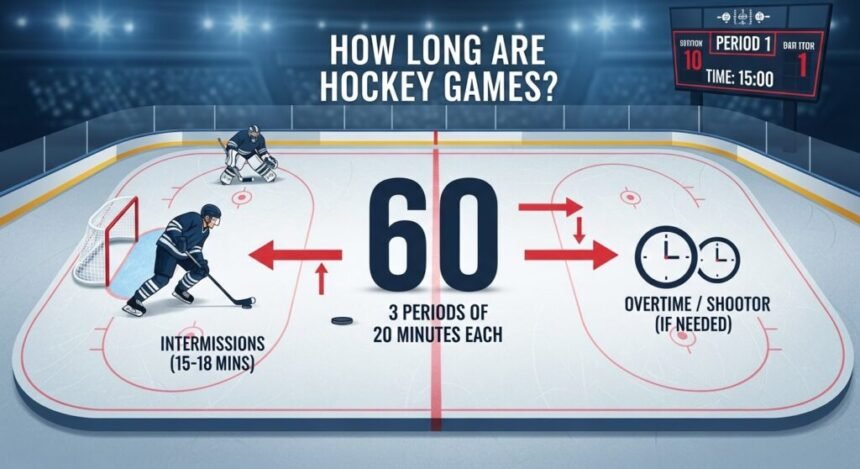
A hockey game is a carefully structured event that keeps fans on the edge of their seats. It typically consists of three periods, each lasting 20 minutes. This format creates an energetic rhythm throughout the match.
Between these periods, there are intermissions. These breaks allow players to regroup and strategize while giving fans a chance to grab refreshments or chat about the action so far.
Each team fields six players at a time: three forwards, two defensemen, and one goaltender. Their roles are distinct but interconnected, contributing to both offensive plays and defensive strategies.
The game begins with a faceoff at center ice, setting the stage for intense competition from the very first whistle. Players skate hard as they chase after pucks in pursuit of goals—this dynamic movement drives excitement within arenas around the world.
Understanding the Duration of a Hockey Game
Hockey games are structured to provide an exciting experience. Each game consists of three periods, each lasting 20 minutes of playtime. However, the clock doesn’t run continuously.
The game clock stops for various reasons—penalties, goals, and timeouts can all interrupt the flow. This means that while the periods last 20 minutes on paper, actual gameplay extends longer.
Additional elements come into play too. Between periods, teams take a breather and strategize for what’s ahead. These intermissions usually add about 15-18 minutes total to the game’s duration.
And let’s not forget overtime or shootouts in tied games! Those scenarios can stretch a hockey match even further as teams battle it out for victory under pressure.
Understanding these details helps fans grasp just how dynamic a hockey game truly is beyond simple timers and scores.
Breakdown of Each Period
A professional hockey game consists of three distinct periods, each lasting 20 minutes. The clock counts down, and every second matters.
The first period sets the tone for the match. Players come out strong, eager to establish dominance early on. Fans feel the energy as they cheer for their teams.
In the second period, strategies often shift. Teams adjust based on what they’ve learned from their opponents in the first segment. This is where you might see more physical play or clever tactics.
The third period can be a nail-biter. If it’s a close game, tension rises with every shot on goal and save made by goalies. Players dig deep to secure victory or force overtime.
Each period carries its own rhythm and intensity, making them critical components of how long are hockey games unfold before captivated audiences.
Overtime and Shootouts
When a hockey game is tied at the end of regulation, the excitement ramps up. Overtime is introduced to determine a winner.
In most leagues, this extra period lasts for five minutes and is played in a 3-on-3 format. This change creates more open ice and thrilling scoring opportunities.
If neither team scores during overtime, it leads to a shootout. Here, players take turns attempting to score against the opposing goalie in one-on-one situations. The tension builds with each shot.
Teams usually select three shooters for the initial round. If still tied after those attempts, additional rounds continue until there’s a clear victor.
This dramatic conclusion keeps fans on edge, showcasing players’ skills in tight moments when every point counts! Overtime and shootouts embody hockey’s unpredictability and thrill like no other sport can offer.
Factors That Can Affect the Length of a Game
Several factors can influence how long a hockey game lasts. Penalties are one major element. When players commit fouls, they end up in the penalty box, which adds time to the overall game duration.
Injuries also play a crucial role. If a player gets hurt, there may be breaks for medical attention or delays while they’re carried off the ice. These pauses can stretch out the clock significantly.
Another contributing factor is team timeouts. Coaches might call for strategic breaks that disrupt gameplay and extend total length.
Additionally, intermissions between periods give fans a breather but contribute to longer event times too. The excitement of overtime and potential shootouts can further add unpredictability to scheduling as well.
Weather conditions affecting travel or equipment malfunctions could lead to unexpected delays during games at outdoor venues as well!
Tips for Enjoying the Full Experience of a Hockey Game
Arrive early to soak in the atmosphere. This gives you time to explore the arena, grab merchandise, and settle into your seat.
Dress for comfort. Layers are key since ice rinks can be chilly. Wear your team’s colors proudly; it adds to the energy in the stands.
Stay engaged with pre-game activities. Many arenas host fan zones where you can enjoy games, music, and food before puck drop.
Don’t skip out on snacks! Classic game-day treats like nachos or hot dogs enhance the experience, especially when shared with fellow fans.
Interact with others around you. Cheer loudly and celebrate every goal as a community—it’s part of what makes live hockey thrilling.
Take breaks during intermissions. Stretch out or visit concessions so you’re ready for an exciting second half of play. Being present enhances every moment spent at a hockey game.
Conclusion
Hockey games are a thrilling spectacle that combines speed, skill, and strategy. Understanding the structure and duration of these games enhances your viewing experience. With three periods lasting 20 minutes each, it’s essential to appreciate how the game unfolds.
Overtime and shootouts add an extra layer of excitement when teams are tied at the end of regulation. Factors like penalties or injuries can also influence game length, making every match unique.
To fully enjoy a hockey game, arrive early to soak in the atmosphere and stay engaged with play-by-play commentary. Whether you’re new to hockey or a seasoned fan, knowing what to expect makes for an unforgettable experience.
Understanding how long hockey games last prepares you for all the action on ice. The next time you watch a game, you’ll have insight into its dynamics—and that just might make it even more enjoyable.