






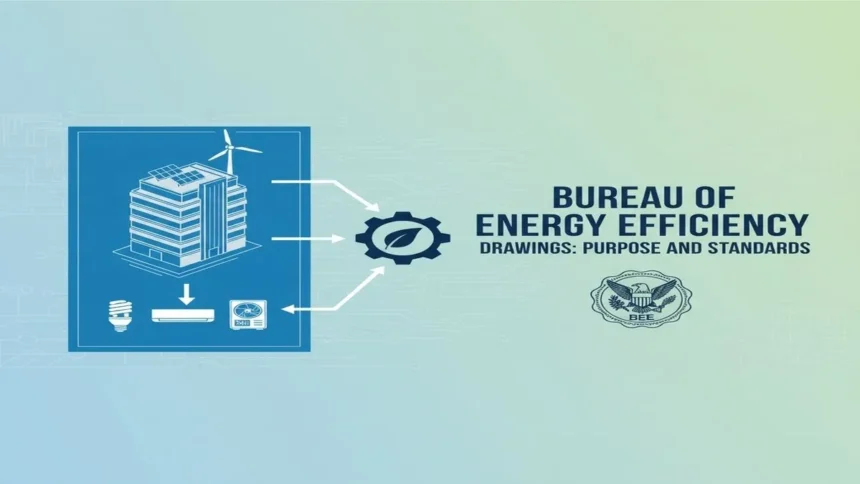

Introduction to the Bureau of Energy Efficiency Drawings (BEED)
Energy efficiency is more than just a buzzword; it’s a necessity in today’s world. As buildings become smarter and sustainability becomes paramount, understanding the role of Bureau of Energy Efficiency Drawings (BEED) is crucial. These drawings serve as blueprints for energy-efficient designs that help reduce consumption and lower costs. Navigating through BEEDs can seem daunting at first, but grasping their purpose and standards opens up a pathway to innovative building practices. Let’s delve into what BEEDs are all about and how they shape our approach to energy conservation in construction projects.
- Introduction to the Bureau of Energy Efficiency Drawings (BEED)
- The Purpose of Bureau of Energy Efficiency Drawings
- Guidelines and Standards for BEEDs
- Importance of Accurate BEEDs in Energy Efficiency
- Common Mistakes and How to Avoid Them in BEEDs
- Benefits of Implementing BEEDs in Building Design and Construction
- Future Outlook for BEEDs and Energy Efficiency Measures
- Conclusion
The Purpose of Bureau of Energy Efficiency Drawings
Bureau of Energy Efficiency Drawings (BEEDs) serve a crucial role in promoting energy efficiency in buildings. Their primary purpose is to provide clear, standardized visual representations of energy-efficient designs and systems.
These drawings help architects, engineers, and builders understand how various elements interact within a building’s infrastructure. They outline specifications related to heating, cooling, lighting, and insulation.
By utilizing BEEDs, stakeholders can identify opportunities for enhancing energy performance early in the design phase. This proactive approach facilitates informed decision-making that aligns with sustainability goals.
Moreover, BEEDs contribute to compliance with local regulations aimed at reducing energy consumption. By following these guidelines, projects not only become more efficient but also help minimize environmental impact over time.
Guidelines and Standards for BEEDs
The guidelines for Bureau of Energy Efficiency Drawings (BEEDs) are essential to ensure consistency and effectiveness in energy-efficient designs. These standards specify the required elements that must be included in each drawing.
Key aspects include accurate representations of building orientation, shading devices, and insulation details. Each drawing should clearly indicate material specifications and energy performance metrics.
Compliance with local regulations is crucial when developing BEEDs. This ensures that all designs not only meet aesthetic needs but also adhere to environmental benchmarks.
Additionally, using standardized symbols can enhance clarity and usability for engineers and architects involved in the project. Training resources are often available to guide professionals through these standards effectively.
Maintaining up-to-date knowledge on evolving technologies and practices is vital as well. Innovations can impact how energy efficiency is measured and implemented within building design frameworks.
Importance of Accurate BEEDs in Energy Efficiency
Accurate Bureau of Energy Efficiency Drawings (BEEDs) play a critical role in optimizing energy performance. These drawings serve as blueprints for sustainable building design and construction practices.
When BEEDs are precise, they guide architects and engineers in implementing energy-efficient solutions. This ensures that buildings meet regulatory standards while minimizing wasteful energy usage.
Moreover, accurate BEEDs provide clarity to stakeholders involved in the project. They help streamline communication among team members, reducing misunderstandings that could lead to costly errors down the line.
Incorporating well-made BEEDs fosters a culture of accountability and efficiency within organizations. It encourages teams to take ownership of their design choices while aligning with broader sustainability goals.
The accuracy of these drawings can significantly influence a building’s long-term operational costs and environmental impact.
Common Mistakes and How to Avoid Them in BEEDs
When creating Bureau of Energy Efficiency Drawings, common pitfalls can hinder your project’s success. One frequent error is neglecting to update the drawings based on recent energy codes or standards. Always stay informed about the latest regulations.
Another mistake involves vague specifications. Ambiguous language can lead to misinterpretations during construction. Ensure that all details are precise and clear.
Inaccurate calculations of energy performance metrics often occur too. Double-check these figures to prevent costly revisions later on.
Failing to engage with stakeholders throughout the process can create gaps in understanding and expectations. Regular communication helps align goals and ensures everyone is on the same page regarding energy efficiency objectives.
By being mindful of these potential errors, you can enhance your BEEDs significantly and contribute positively to sustainable building practices.
Benefits of Implementing BEEDs in Building Design and Construction
Implementing Bureau of Energy Efficiency Drawings (BEEDs) in building design and construction offers multiple advantages. First, it helps architects and engineers create energy-efficient structures that reduce utility costs over time.
These drawings provide a clear roadmap for integrating sustainable materials and technologies. They facilitate the selection of efficient HVAC systems or renewable energy sources, contributing to lower carbon footprints.
Moreover, BEEDs promote compliance with local regulations and standards related to energy efficiency. This can streamline the approval process during construction.
Incorporating these drawings also enhances the marketability of a project. Buyers increasingly prefer eco-friendly buildings, leading to higher property values.
The collaborative nature of creating BEEDs fosters communication among stakeholders from various disciplines. This teamwork ensures that every aspect aligns with energy-saving goals while improving overall project outcomes.
Future Outlook for BEEDs and Energy Efficiency Measures
The future of Bureau of Energy Efficiency Drawings (BEEDs) is promising, as the push for sustainable design gains momentum. With the increasing emphasis on energy conservation, BEEDs will become integral to building projects.
Emerging technologies are likely to enhance how these drawings are created and utilized. For instance, advanced software can provide real-time simulations that showcase energy performance before construction begins.
Governments and organizations globally are prioritizing energy efficiency measures. This shift ensures that compliance with BEED standards will be mandatory in more jurisdictions.
Furthermore, community awareness around sustainability is rising. As stakeholders demand greener building practices, adherence to BEEDs could influence market competitiveness significantly.
The integration of smart systems within buildings may also redefine what constitutes an efficient structure. Architects and builders who embrace this evolution stand to lead the charge toward a more sustainable future built on solid principles laid out by BEEDs.
Conclusion
The Bureau of Energy Efficiency Drawings (BEED) play a vital role in promoting energy efficiency across various sectors. Their purpose extends beyond mere compliance; they serve as essential tools for architects, engineers, and builders to optimize resource consumption while designing structures.
Adhering to guidelines and standards is crucial when creating BEEDs. These specifications ensure that energy-efficient practices are integrated from the onset of any project. Accurate BEEDs not only streamline the construction process but also enhance long-term sustainability.
Mistakes in drafting these drawings can lead to costly rectifications down the line. By understanding common pitfalls—such as miscalculating load requirements or neglecting local regulations—professionals can avoid setbacks and create more effective designs.
Implementing BEEDs yields numerous benefits, including reduced operational costs and improved environmental impact. They encourage innovative building solutions that align with modern sustainability goals while enhancing overall occupant comfort.
Looking ahead, the future of BEEDs appears promising as advancements in technology continue to reshape how we approach energy efficiency measures within architectural design. As awareness grows around climate change and sustainable practices, the demand for precise Bureau of Energy Efficiency Drawings will likely increase.
Embracing these drawings plays an integral part in shaping a greener future, benefiting both present generations and those yet to come.