






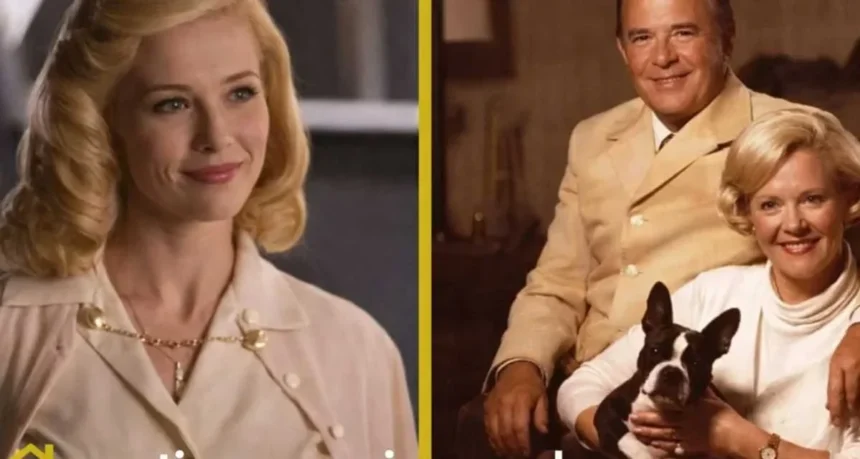

Introduction to Jane Dobbins Green
When you think of the fast-food giant McDonald’s, images of golden arches and sizzling burgers likely come to mind. But behind this colossal empire lies a fascinating story that includes Jane Dobbins Green, Ray Kroc’s ex-wife. While most people focus on Kroc as the founder who revolutionized the fast-food industry, Jane played a significant yet often overlooked role in that journey. From her early life to her influence within one of the world’s biggest brands, understanding Jane Dobbins Green offers insights not just into her life but also into the dynamics of ambition and partnership during an era of transformation in America. Ready to dive deep into her story? Let’s explore!
Early Life and Career
Jane Dobbins Green was born into a world that would shape her tenacity and ambition. Growing up in the Midwest, she experienced the straightforward values of small-town life. Her family instilled a strong work ethic, which later became a cornerstone of her character.
After high school, Jane pursued higher education and developed interests that spanned various fields. She entered the workforce eager to make her mark. Her early career saw her dabbling in roles primarily centered around business and hospitality, laying the groundwork for future endeavors.
She was not just ambitious; she had an eye for opportunity. These formative experiences molded Jane into someone who understood both customer service and strategic planning—skills that would prove invaluable as she intersected with Ray Kroc’s journey in fast food history.
Meeting Ray Kroc and Marriage
Jane Dobbins Green met Ray Kroc in the early 1950s, a time when his ambitions were just beginning to take shape. They crossed paths at a gathering of mutual friends, where Jane’s charm and intelligence captured Kroc’s attention.
Their connection blossomed quickly. Ray was captivated not only by Jane’s beauty but also her strong personality. As they spent more time together, their bond deepened amid discussions of business and dreams for the future.
They married in 1955, marking the start of an era that would change fast food forever. Jane became an essential partner in Kroc’s ventures as he launched McDonald’s on a larger scale. Her support during this transformative period was invaluable.
However, their marriage wasn’t just about business success; it also faced challenges typical of relationships under pressure from ambition and growth. Balancing personal life with professional aspirations proved more complex than either had anticipated.
Role in the Growth of McDonald’s
Jane Dobbins Green played a pivotal role in the early days of McDonald’s. Her contributions often went unnoticed, yet they were crucial to the brand’s identity.
As Ray Kroc’s wife during the company’s formative years, she influenced many decisions that shaped its future. Jane understood the importance of branding and marketing before these concepts became industry standards.
She was also instrumental in creating a welcoming atmosphere at McDonald’s franchises. Her vision extended beyond just food; it included customer experience and community engagement.
Additionally, Jane had an eye for design that helped establish the iconic look of McDonald’s restaurants. This attention to detail resonated with customers and set them apart from competitors.
Her behind-the-scenes efforts laid a foundation that would support immense growth in subsequent decades, driving McDonald’s toward becoming a global phenomenon.
Divorce and Aftermath
The divorce between Jane Dobbins Green and Ray Kroc was far from ordinary. It marked the end of a significant chapter in both their lives, unraveling amidst the booming success of McDonald’s.
As they navigated through the separation, public interest surged. The couple had built an empire together, but underlying tensions were evident. Their marriage faced challenges that often accompany such high-pressure environments.
Jane’s role evolved dramatically after their split. She stepped into her own spotlight, forging a path independent of her husband’s legacy. While Ray moved forward with his vision for McDonald’s, Jane began to redefine herself outside of that world.
Her focus shifted towards philanthropy and personal endeavors. Those ventures allowed her to create meaningful impacts on communities while maintaining a lower profile than before. The aftermath showcased not only resilience but also transformation in Jane’s life beyond being Mrs. Kroc.
Legacy and Impact on Fast Food Industry
Jane Dobbins Green’s influence on the fast food industry extends far beyond her marriage to Ray Kroc. As a key figure during McDonald’s formative years, she played an essential role in shaping its brand identity.
Her insights into marketing and consumer behavior helped create a foundation that would eventually lead to the global phenomenon we see today. Jane understood the importance of consistency and quality in customer experience, principles that remain pivotal for fast food chains.
Moreover, her experiences opened doors for women in business within a predominantly male-dominated sector. She became an inspiration for aspiring entrepreneurs, demonstrating how one can leave a lasting mark on any field.
The legacy of Jane Dobbins Green is reflected not only in McDonald’s success but also in the evolving landscape of quick-service dining where innovation continues to thrive. Her contributions are often overlooked but crucially intertwined with the industry’s history and development.
Controversies Surrounding Jane Dobbins Green
Jane Dobbins Green’s life was not without its share of controversies. Her marriage to Ray Kroc, the man credited with turning McDonald’s into a global empire, often overshadowed her own achievements.
After their divorce in 1961, speculation about the reasons behind their split ran rampant. Some claimed that Jane’s growing independence clashed with Ray’s dominating personality. Others pointed toward financial disputes as a key factor.
Moreover, Jane’s involvement in the early days of McDonald’s sparked debates on the role of women in business during that era. While many celebrated her contributions, others argued she did not receive due recognition compared to her husband.
In later years, comments made by both parties added fuel to an already fiery narrative surrounding their relationship and its public perception. This dynamic continues to intrigue historians and fans alike who seek a deeper understanding of both figures’ impact on fast food culture.
Remembering Jane Dobbins Green: Her Influence and Contributions
Jane Dobbins Green remains a significant figure in the fast food landscape. Her influence extended beyond her marriage to Ray Kroc, shaping what McDonald’s would become.
She played a pivotal role during the formative years of the franchise. Her insights and contributions helped mold marketing strategies that resonated with a growing customer base.
Beyond business, Jane’s commitment to community initiatives showcased her dedication to social change. She often participated in local events aimed at promoting health and nutrition.
Though she stepped away from the spotlight after her divorce, Jane’s legacy continues to inspire entrepreneurs today. Many acknowledge her as an unsung hero behind one of the world’s most recognizable brands.
Her story reminds us of the vital roles women play in business, even when not always highlighted on center stage.
Conclusion
Jane Dobbins Green remains a compelling figure in the story of fast food. Her life intertwined with one of the most recognizable brands in the world, McDonald’s. While her marriage to Ray Kroc was significant, Jane’s influence extended beyond that relationship.
From her early life and career to her role during McDonald’s rapid expansion, she contributed to shaping what we know today as a global phenomenon. The complexities surrounding their divorce and its aftermath reveal much about both personal struggles and professional ambitions.
Despite controversies that have arisen over the years, Jane’s impact on the industry continues to be felt. She paved pathways for discussions about women’s roles in business—a narrative not often highlighted in tales of corporate giants.
As time goes on, Jane Dobbins Green’s legacy serves as a reminder of how intertwined personal lives can become with larger cultural movements. Whether you view her through the lens of history or modern business practices, it is clear that her story is worth remembering.