






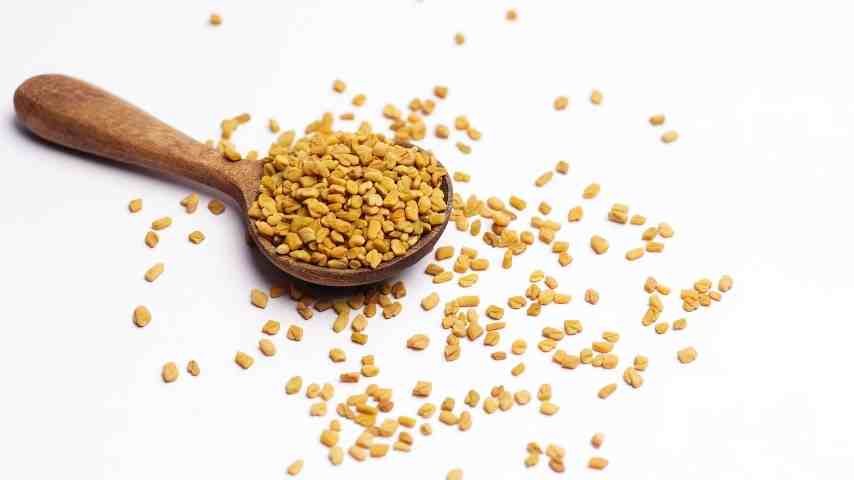

Have you ever stumbled upon an ingredient that piqued your curiosity and promised a treasure trove of health benefits? Enter Foenegriek, often referred to as fenugreek. This humble herb has been cherished for centuries, not just for its unique flavor but also for its remarkable nutritional profile. From ancient civilizations to modern kitchens, Foenegriek continues to capture the hearts of food enthusiasts and health-conscious individuals alike.
But what is it about this golden gem that makes it so special? Whether you’re looking to spice up your meals or enhance your wellness routine, understanding the ins and outs of Foenegriek can open new doors in both taste and nutrition. Let’s dive into everything you need to know about this incredible herb!
What is Foenegriek?
Foenegriek, commonly known as fenugreek, is a versatile herb that belongs to the Fabaceae family. Its scientific name is Trigonella foenum-graecum. This plant is characterized by its small, green leaves and distinctively aromatic seeds.
The seeds are the star of the show, often used in cooking or as a supplement due to their robust flavor and numerous health benefits. They have a slightly bitter taste with hints of maple syrup—making them unique in culinary applications.
In various cultures around the world, Foenegriek has been employed for both culinary delights and medicinal purposes. It can be ground into a spice or used whole in dishes like curries and pickles.
Beyond its culinary uses, this ancient herb holds significant value in traditional medicine systems such as Ayurveda and Unani. It’s revered not only for flavor but also for its potential healing properties.
History and Origin of Foenegriek
Foenegriek, commonly known as fenugreek, has a rich history that dates back thousands of years. This herb is believed to have originated in the Mediterranean region and parts of Asia. Archaeological evidence suggests its use in ancient Egypt, where it was valued not only for culinary purposes but also for its medicinal properties.
In India, foenegriek holds significant cultural importance. It has been used in traditional Ayurvedic practices for centuries. The seeds are often incorporated into various dishes, adding flavor and nutrition.
Throughout history, this versatile plant spread across continents through trade routes. Ancient Greeks and Romans recognized its benefits too, using it to enhance their diets as well as their health practices. Today, foenegriek continues to be celebrated globally for its numerous advantages and unique taste profile while retaining deep roots in historical traditions.
Nutritional Value of Foenegriek
Foenegriek, also known as fenugreek, is a powerhouse of nutrition. Rich in essential vitamins and minerals, it offers diverse health benefits.
A notable source of dietary fiber, foenegriek aids digestion and promotes gut health. It contains significant amounts of iron and magnesium, which are vital for maintaining energy levels.
This herb boasts impressive protein content too. A great choice for vegetarians looking to boost their intake.
Additionally, foenegriek is abundant in antioxidants that help combat oxidative stress. With these beneficial compounds working together, they contribute to overall wellness.
Including this nutrient-rich seed in your diet can enhance your nutritional profile effortlessly. Whether sprinkled on meals or steeped into tea, its versatility shines through both flavor and function.
Health Benefits of Foenegriek
Foenegriek, also known as fenugreek, is packed with health benefits that many people may overlook. One of its most notable features is its ability to support digestion. It can help alleviate issues like bloating and constipation thanks to its high fiber content.
Additionally, foenegriek has anti-inflammatory properties. This makes it a good option for those dealing with chronic pain or inflammation-related conditions.
For individuals looking to manage their blood sugar levels, this herb shows promise in improving insulin sensitivity. Studies suggest that it may be beneficial for those with diabetes.
Women can particularly benefit from foenegriek during menopause and menstrual cycles due to its hormone-regulating effects. Its phytoestrogens might ease symptoms such as hot flashes.
Moreover, foenegriek aids in boosting lactation for nursing mothers by enhancing milk production naturally.
How to Incorporate Foenegriek into Your Diet
Incorporating foenegriek into your diet is simple and versatile. Start by adding the seeds to your morning smoothie for an extra nutritional boost. They blend well with fruits and yogurt, enhancing both flavor and health benefits.
You can also sprinkle ground foenegriek over salads or stir it into soups for added depth. Its unique taste complements a variety of dishes, making it easy to include in everyday meals.
For those who enjoy baking, consider mixing some powdered foenegriek into bread dough or muffins. This not only adds nutrition but introduces a slight nutty flavor that many find appealing.
Brewing foenegriek tea is another delightful option. Steep the seeds in hot water for 10 minutes to extract their nutrients while enjoying a warm beverage that aids digestion and boosts overall wellness.
Precautions and Side Effects
While foenegriek offers numerous health benefits, it’s essential to use it wisely. Some individuals may experience allergic reactions, particularly those sensitive to plants in the legume family. Always consult a healthcare professional before starting any new supplement.
Pregnant women should exercise caution. Foenegriek can stimulate uterine contractions and potentially lead to complications during pregnancy. It’s best for expecting mothers to avoid this herb unless cleared by their doctor.
Additionally, excessive consumption may cause gastrointestinal upset, including bloating or diarrhea. Moderation is key.
Those on medication for diabetes or blood-thinning drugs should also be aware of potential interactions with foenegriek. Regular monitoring of blood sugar levels is advisable if incorporating this ingredient into your diet.
Listening to your body and staying informed about any side effects will help ensure a safe experience with foenegriek.
Conclusion
Foenegriek is a fascinating herb with a rich history and numerous benefits. Its unique flavor adds depth to various dishes, making it popular in cuisines worldwide.
As awareness of its health advantages grows, more people are looking to incorporate this powerful seed into their daily routines. From supporting digestion to enhancing skin health, foenegriek offers diverse applications that can benefit many aspects of well-being.
Experimenting with different recipes allows for creative ways to enjoy its nutritional perks. Whether you choose seeds, powders, or teas, the options are plentiful.
With some mindfulness regarding precautions and potential side effects, foenegriek can be a valuable addition to your lifestyle. Embracing this ancient herb could open doors to new flavors and improved health outcomes.
FAQs
Foenegriek, commonly known as fenugreek, is a powerhouse of nutrition and wellness. It has been cherished for centuries due to its myriad benefits. If you’re intrigued and want to know more about this versatile herb, here are some frequently asked questions that might help.
What exactly is Foenegriek?
Foenegriek, or fenugreek (Trigonella foenum-graecum), is an annual plant in the legume family. Its seeds and leaves are used for culinary purposes as well as medicinal applications.
Where did Foenegriek originate?
This herb boasts a rich history rooted in ancient civilizations such as Egypt, India, and Greece. It has played significant roles in traditional medicine practices across cultures.
What nutrients does Foenegriek contain?
Foenegriek seeds are packed with essential nutrients including proteins, fiber, vitamins A, B6 C and minerals like iron and magnesium. These elements contribute significantly to overall health.
Can Foenegriek aid in weight loss?
Yes! Some studies suggest that the soluble fiber in foenegriek can promote feelings of fullness while reducing appetite—qualities beneficial for weight management initiatives.
How can I include Foenegriek in my meals?
Incorporate it into your diet by adding ground seeds to smoothies or curries. The fresh leaves can be tossed into salads or cooked dishes for added flavor and nutrition.
Are there any side effects associated with Foenegriek consumption?
While generally safe when consumed moderately, excessive intake may lead to gastrointestinal issues like bloating or diarrhea. Pregnant women should consult healthcare professionals before using it regularly.
Is it safe for everyone to use Foenegriek supplements?
It’s advisable to seek professional medical advice before starting any supplement regimen involving foenegreek especially if you have pre-existing conditions or take medications that could interact adversely.
Feel free to explore the many facets of foenegreek further—it’s truly a gem worth discovering!