






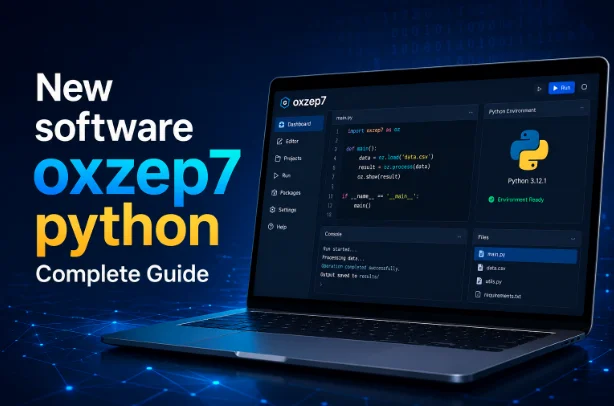

Introduction to OXZEP7 Software
Are you ready to take your software development skills to the next level? If you’ve been contemplating how to develop OXZEP7 software, you’re in the right place. This powerful tool is designed to revolutionize processes and enhance productivity across various industries. But what sets it apart? In this guide, we’ll explore everything from its purpose and benefits to a step-by-step development process that will have you crafting your own version of OXZEP7 like a pro. Buckle up as we dive into an exciting journey that combines innovation with practicality!
Understanding the Purpose and Benefits
The purpose of OXZEP7 software revolves around enhancing operational efficiency across various industries. It serves as a versatile tool that streamlines processes, making tasks easier and faster.
One key benefit is its adaptability. Organizations can customize the software to meet specific needs, ensuring it aligns perfectly with their workflows. This flexibility empowers teams to achieve more without unnecessary complications.
Another important advantage lies in data management. OXZEP7 provides robust analytics features, allowing businesses to harness valuable insights from their operations. These insights drive informed decision-making and strategic planning.
Additionally, the user-friendly interface enhances accessibility for all team members, reducing training time and increasing productivity almost immediately. Integrating OXZEP7 into existing systems can also lead to significant cost savings over time due to improved resource allocation and minimized errors.
The Development Process
The development process of OXZEP7 Software is a structured journey. It begins with defining clear objectives. Understanding the needs of users guides every decision.
Next, wireframes and prototypes come to life. This stage allows designers to visualize functionality and flow. Feedback from stakeholders helps refine these early concepts.
As coding commences, collaboration becomes vital. Developers work closely with project managers to ensure alignment on goals and timelines. Regular testing phases are integrated into this cycle, allowing for quick adjustments based on real-time data.
Documentation plays a crucial role throughout development. Maintaining thorough records ensures that everyone involved stays informed about changes and improvements.
Once the software nears completion, user acceptance testing takes center stage. Real users evaluate its performance in practical scenarios before launch, ensuring it meets their expectations and needs effectively.
Key Features of OXZEP7 Software
OXZEP7 Software stands out due to its robust architecture. This ensures reliability and scalability, adapting seamlessly to user needs.
User-friendly interfaces are another highlight. Even those with minimal technical skills can navigate the software effortlessly. Intuitive design enhances productivity right from the start.
Integration capabilities are noteworthy as well. OXZEP7 easily connects with existing systems, making data migration smooth and straightforward.
Security features provide peace of mind too. Advanced encryption protocols safeguard sensitive information against potential threats.
Customization options allow businesses to tailor functionalities according to their specific requirements. Whether adjusting workflows or adding relevant modules, flexibility is key.
Real-time analytics empower users with insights that drive informed decision-making, enhancing overall operational efficiency.
Tips for Successful Implementation
Successful implementation of OXZEP7 software hinges on several key strategies. First, ensure thorough training for all users. Familiarity breeds confidence and efficiency.
Next, establish clear communication channels among team members. Regular updates can help everyone stay aligned with project goals.
It’s also essential to set realistic timelines. Rushed implementations often lead to mistakes or oversight. Take the time needed for a smooth rollout.
Don’t forget about feedback loops. Encourage users to share their experiences and suggestions for improvement.
Monitor performance metrics closely after launch. This allows you to identify any issues early and address them promptly, ensuring that your investment in OXZEP7 pays off effectively.
Case Studies: Real-Life Examples of OXZEP7 in Action
One notable case study involves a healthcare organization that implemented OXZEP7 to streamline patient management. By integrating this software, they improved appointment scheduling and reduced wait times significantly. The result? Enhanced patient satisfaction and operational efficiency.
Another example comes from the retail sector, where a major chain used OXZEP7 for inventory control. This led to better stock visibility and fewer discrepancies in supply levels. Sales increased due to smarter inventory decisions driven by real-time data.
A tech startup adopted OXZEP7 for project management purposes. With its collaborative tools, teams became more agile and productive. They met deadlines consistently while improving interdepartmental communication.
These examples illustrate how diverse industries leverage OXZEP7’s capabilities to drive results, enhance workflows, and adapt effectively to their unique challenges. Each organization found specific ways that fit their needs perfectly within the framework of this versatile software solution.
Conclusion
Developing OXZEP7 software opens doors to innovation and efficiency. It empowers teams to harness technology for solving complex challenges.
Embracing this journey requires dedication and collaboration. Engaging with stakeholders ensures that the software meets real-world needs.
The landscape of software development is ever-evolving. Staying updated on trends enhances creativity in your projects. Learning from case studies can inspire new approaches.
Remember, each step taken in this process contributes to a larger vision. The right mindset fosters resilience when facing obstacles along the way.
Cultivating a culture of feedback promotes continuous improvement. This practice helps refine features, ensuring they align with user expectations.
Exploring OXZEP7’s potential can lead to transformative results within organizations. Each implementation serves as an opportunity for growth and adaptation in our fast-paced digital world.
Frequently Asked Questions (FAQs)
Frequently Asked Questions (FAQs)
Developing OXZEP7 software raises many questions, especially for those new to the process. Here are some common queries and their answers:
What is OXZEP7 software used for?
OXZEP7 software serves various purposes across industries, including data management, project tracking, and enhancing workflow efficiency.
How long does it take to develop OXZEP7 software?
The timeline for development can vary based on complexity. Typically, a basic version may take a few months while more intricate projects could extend beyond that.
What programming languages are best suited for developing OXZEP7?
Popular choices include Python, JavaScript, and C#. The right language often depends on your team’s expertise and the specific requirements of the project.
Can I customize OXZEP7 software after its initial development?
Yes! Customization remains one of its strong suits. Users can modify features and functions according to evolving business needs.
Are there any support options available post-development?
Support options typically include documentation resources, community forums, or dedicated customer service teams depending on your provider.
Is training required to use OXZEP7 effectively?
While not mandatory, training sessions can significantly enhance user proficiency and adoption rates within teams.
These FAQs should help clarify some aspects of developing OXZEP7 software as you embark on this journey. Always remember that each step in the process is crucial for achieving optimal results tailored to your unique needs.