






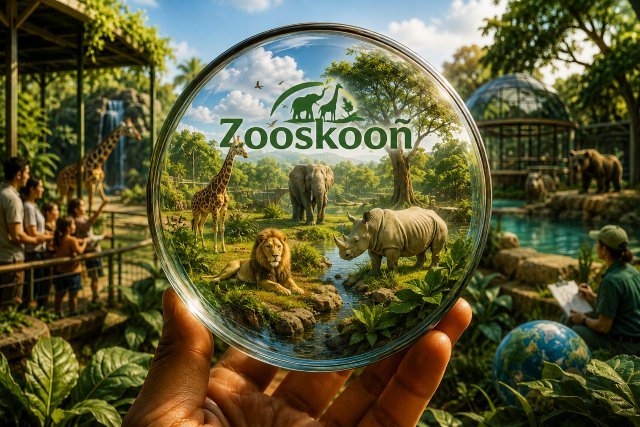

Introduction to Zooskooñ and its founders
Zoos have long been a source of fascination for people around the world. They offer a glimpse into the lives of animals that many may never encounter in their natural habitats. But as concerns about animal welfare and conservation grow, traditional zoos face increasing scrutiny. Enter Zooskooñ—a fresh perspective on how we can engage with wildlife while still prioritizing conservation.
Founded by a passionate group of wildlife enthusiasts and conservationists, Zooskooñ seeks to redefine what it means to be a zoo in today’s world. It combines education, entertainment, and genuine efforts toward preserving endangered species. With an innovative approach that aims to foster deeper connections between visitors and animals, Zooskooñ is not just another attraction; it’s a movement.
Curious about how this unique initiative tackles the challenges posed by conventional zoos? Let’s dive into the world of Zooskooñ and uncover its mission to create lasting change in both animal welfare and environmental sustainability.
- Introduction to Zooskooñ and its founders
- The controversy surrounding traditional zoos and their impact on conservation efforts
- The unique approach of Zooskooñ: balancing education, entertainment, and conservation
- Success stories of Zooskooñ’s conservation efforts
- How visitors can support Zooskooñ’s mission
- Criticisms and challenges faced by Zooskooñ
- Future plans for growth and expansion
- Conclusion
- FAQs
The controversy surrounding traditional zoos and their impact on conservation efforts
Traditional zoos often face criticism for their approach to animal care and conservation. Many argue that confining animals in enclosures, regardless of size or design, can lead to physical and psychological distress. This has raised ethical questions about the legitimacy of keeping wildlife for public entertainment.
Moreover, some claim these institutions focus more on revenue generation than genuine conservation efforts. The spectacle of exotic animals can overshadow the pressing need to protect their natural habitats.
Critics also highlight that traditional zoos may contribute little to real-world conservation initiatives. While they promote awareness through education programs, skeptics question whether this translates into meaningful action against habitat destruction and poaching in the wild.
The conversation around zoos is complex and multifaceted, reflecting broader societal values regarding nature preservation and animal welfare.
The unique approach of Zooskooñ: balancing education, entertainment, and conservation
Zooskooñ stands out by intertwining education, entertainment, and conservation in a way that feels both innovative and accessible. Visitors experience interactive exhibits that engage the mind while captivating the heart.
Instead of merely observing animals from afar, guests participate in immersive programs. These experiences promote understanding of wildlife and ecosystems, sparking curiosity about pressing environmental issues.
The design focuses on natural habitats rather than traditional cages. This ensures animals feel at home while offering visitors a glimpse into their lives without barriers.
Workshops led by expert educators further enhance learning opportunities. Here, participants learn about biodiversity and the critical role each species plays in our world.
Through engaging storytelling and hands-on activities, Zooskooñ creates lasting memories that inspire action beyond its gates—encouraging everyone to be advocates for conservation efforts everywhere they go.
Success stories of Zooskooñ’s conservation efforts
Zooskooñ has made remarkable strides in conservation, showcasing its commitment to wildlife preservation. One standout initiative is the breeding program for endangered species. By creating a safe environment, Zooskooñ has successfully increased populations of several threatened animals.
Their partnership with local communities amplifies these efforts. Engaging residents fosters sustainable practices and highlights the importance of protecting biodiversity. This collaborative approach empowers people while safeguarding habitats.
Educational programs designed by Zooskooñ also play a crucial role. They inspire visitors to connect with nature and understand conservation’s significance. Workshops and interactive exhibits encourage stewardship among all ages.
Success stories extend beyond borders as well. Zooskooñ collaborates globally on projects that rehabilitate ecosystems affected by human activities, making a tangible difference worldwide. Each effort contributes to a broader mission: preserving our planet’s rich tapestry of life for future generations to admire and protect.
How visitors can support Zooskooñ’s mission
Visitors play a crucial role in supporting Zooskooñ’s mission of conservation and education. One impactful way is through ticket purchases. Each entry fee helps fund various programs aimed at protecting endangered species.
Volunteering offers another meaningful avenue for support. Individuals can engage directly with the animals and participate in educational outreach efforts, spreading awareness about vital conservation issues.
Donations are also welcomed, whether one-time gifts or ongoing contributions. These funds assist in habitat restoration projects and wildlife rescue initiatives that align with Zooskooñ’s core values.
Purchasing merchandise from the gift shop is not just a souvenir; it reinforces the commitment to wildlife preservation by channeling profits back into conservation efforts.
Visitors can become advocates by sharing their experiences on social media. Spreading the word amplifies Zooskooñ’s message, encouraging others to join the cause while fostering a community dedicated to safeguarding our planet’s biodiversity.
Criticisms and challenges faced by Zooskooñ
Zooskooñ, despite its innovative approach, faces significant criticisms. Some argue that it still operates within a traditional zoo framework. Detractors question whether any form of captivity can truly align with genuine conservation.
Animal welfare advocates express concerns about how animals are housed and cared for. They emphasize the importance of natural habitats over artificial environments, pushing for more dialogue on animal rights within the organization’s practices.
Funding is another challenge. While Zooskooñ aims to balance education with entertainment, securing financial support can be tough in a competitive landscape. Many potential donors remain skeptical about investing in zoological endeavors.
Public perception varies widely as well. Some visitors embrace the mission wholeheartedly, while others remain hesitant or critical of zoos overall. This mixed feedback complicates efforts to create widespread community support and understanding around their vision.
Future plans for growth and expansion
Zooskooñ is setting its sights on an exciting future. The organization plans to expand its facilities, allowing for more species and a richer experience for visitors. This growth will help amplify their conservation message.
Additionally, Zooskooñ aims to establish partnerships with other wildlife organizations globally. Collaborating with experts in various regions can enhance their efforts in protecting endangered species and habitats.
Education remains a cornerstone of their mission. Future initiatives include developing online learning platforms that engage audiences worldwide. These resources will empower people to take action from the comfort of their homes.
Investment in sustainable practices is another priority. By adopting eco-friendly technologies, Zooskooñ aims to minimize its environmental footprint while enhancing animal welfare within the facility.
Community outreach programs are also on the agenda, aiming to inspire local populations about conservation efforts right where they live. Engaging communities creates lasting change and promotes stewardship of our natural world.
Conclusion
Zooskooñ stands as a beacon of hope within the challenging landscape of wildlife conservation. Its innovative approach redefines what it means to engage with nature and understand our role in preserving it.
Visitors are not just passive observers; they become part of a larger narrative focused on education and sustainability. Every ticket sold contributes directly to vital projects that protect endangered species.
The future holds exciting possibilities for Zooskooñ, from expanding its outreach initiatives to forging new partnerships worldwide. With each success story, the commitment deepens.
As awareness spreads, so does the opportunity for more people to connect with wildlife in meaningful ways. This is where real change begins—within our hearts and communities.
Engagement fosters understanding, creating ripples far beyond any zoo’s walls. Zooskooñ embodies this philosophy beautifully, proving that conservation can be both inspiring and impactful.
FAQs
What is Zooskooñ in the context of zoos and conservation?
Zooskooñ is understood as a modern way of rethinking how zoos function beyond entertainment. It highlights a deeper focus on animal well-being, education, and ecological responsibility.
Instead of viewing zoos as simple attractions, Zooskooñ represents a shift toward conservation-driven spaces that actively support wildlife survival and awareness.
How does Zooskooñ change traditional zoo experiences?
Zooskooñ changes the experience by prioritizing learning and conservation over display. Visitors are encouraged to understand animal behavior, natural habitats, and environmental challenges.
This approach makes zoo visits more meaningful, turning them into opportunities for awareness rather than just recreation.
Why is Zooskooñ important for wildlife conservation?
Zooskooñ emphasizes the role of controlled environments in protecting endangered species. It supports breeding programs, habitat simulation, and research initiatives.
By connecting people with conservation efforts, it builds stronger public support for protecting wildlife in the wild.
Does Zooskooñ affect animal welfare in zoos?
Yes, Zooskooñ places strong importance on improving animal welfare standards. It encourages larger, more natural habitats and reduced stress environments.
The goal is to ensure animals live in conditions that closely resemble their natural ecosystems, promoting healthier and more ethical care.
How can Zooskooñ influence the future of conservation education?
Zooskooñ can make conservation education more interactive and impactful. It helps people understand the link between human actions and wildlife survival.
By engaging visitors emotionally and intellectually, it inspires long-term responsibility toward protecting biodiversity.