






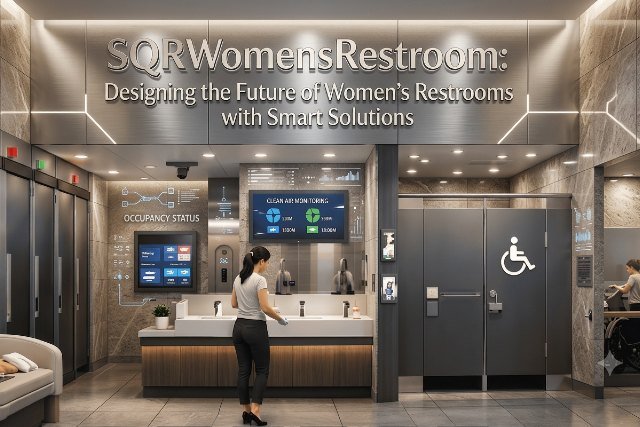

Women’s restrooms have long been an afterthought in public spaces, often cramped and lacking essential amenities. As society evolves, so do the expectations surrounding convenience, safety, and cleanliness. Women deserve more than just a basic bathroom experience; they should enjoy a space that reflects modern needs and preferences. Enter SQRWomensRestroom—a revolutionary concept designed to enhance women’s restroom experiences through innovative smart solutions. This blog explores the current state of women’s restrooms and highlights how SQRWomensRestroom is set to transform these essential facilities for the better.
- What Is SQRWomensRestroom?
- The need for a change in restroom design
- Benefits of implementing smart solutions in women’s restrooms
- Examples of smart restroom technology
- The SQRWomensRestroom concept and its features
- Design considerations for implementing SQRWomensRestroom
- Potential challenges and solutions for implementation
- Impact on user experience and satisfaction
- Cost analysis and potential return on investment
- Conclusion
- FAQs
What Is SQRWomensRestroom?
SQRWomensRestroom represents a transformative approach to women’s restroom design. It integrates innovative technology with thoughtful aesthetics, creating spaces that prioritize comfort and functionality.
Imagine a restroom equipped with smart features. These enhancements improve hygiene and safety while providing an elevated user experience.
From automated cleaning systems to personalized lighting, SQRWomensRestroom redefines how women interact with these essential facilities. The focus is not just on utility but also on creating a welcoming atmosphere.
This concept aims to address the unique needs of women in public restrooms. With its blend of modern solutions and user-centered design, it sets a new standard for what can be achieved in restroom environments.
By prioritizing convenience and accessibility, SQRWomensRestroom seeks to elevate everyday experiences. It challenges traditional norms and paves the way for future innovations in public sanitation facilities.
The need for a change in restroom design
Restroom design has stagnated for too long, particularly in women’s facilities. Current setups often lack basic comforts and conveniences that many take for granted. Long lines, inadequate privacy, and poor sanitation are common complaints.
Women deserve spaces that cater to their needs without compromising on comfort or security. Restrooms should reflect modern values of inclusivity and accessibility.
With more women participating actively in the workforce and public life, it’s essential to rethink restroom designs. The traditional approach is not only outdated but fails to accommodate busy lifestyles.
Smart solutions can enhance functionality significantly while addressing safety concerns. Technology integration provides an opportunity to transform experiences from mundane visits into seamless interactions with restrooms designed specifically for women’s needs.
Embracing innovative designs means prioritizing health, convenience, and empowerment all at once. It’s time we prioritize women’s unique restroom experiences as integral parts of community planning.
Benefits of implementing smart solutions in women’s restrooms
Integrating smart solutions in women’s restrooms can significantly enhance the overall experience. These technologies streamline operations and improve hygiene, promoting a healthier environment for users.
Automated features like touchless faucets and soap dispensers minimize contact with surfaces. This reduces the spread of germs and provides peace of mind for restroom visitors.
Smart occupancy sensors ensure that facilities are adequately maintained. They alert cleaning staff when restrooms need attention, preventing unpleasant surprises for users.
Energy-efficient lighting systems can be programmed to adjust based on usage patterns, saving resources while offering optimal comfort.
Furthermore, user feedback integration allows real-time improvements based on actual experiences. This responsive approach fosters loyalty among patrons who appreciate attentive service.
Incorporating these advancements not only enhances functionality but also reflects a commitment to innovation in public spaces. Women’s restrooms can become safer, cleaner havens equipped for modern needs.
Examples of smart restroom technology
Smart restroom technology is revolutionizing the way we think about public facilities. Touchless faucets reduce germ transmission while enhancing hygiene. These taps activate with a simple wave, ensuring users have a seamless experience.
Automated soap dispensers are another game-changer. They dispense just the right amount of soap without any contact, making handwashing more efficient and effective.
Smart mirrors offer innovative features like integrated lighting and even digital displays that provide information or entertainment. They can enhance user comfort and engagement in an often-overlooked space.
Scent-dispensing systems maintain freshness throughout the day, automatically adjusting based on occupancy levels. This ensures that every visit feels pleasant.
Occupancy monitoring systems help manage queues by tracking restroom usage in real time, improving flow during peak hours. Each of these technologies contributes to a smarter environment tailored for women’s restrooms.
The SQRWomensRestroom concept and its features
The SQRWomensRestroom concept reimagines the traditional women’s restroom experience. It integrates innovative technology with an aesthetic design that prioritizes comfort and convenience.
One standout feature is the occupancy sensor, which ensures privacy by indicating when stalls are in use or available. This eliminates unnecessary waiting and enhances user satisfaction.
Smart mirrors equipped with augmented reality can provide personalized information, such as news updates or reminders. They also promote hygiene by offering touchless controls for adjusting lighting and features like automatic soap dispensers.
Additionally, eco-friendly materials play a central role in the design. Sustainable choices not only minimize environmental impact but also enhance the overall ambiance of the space.
Adaptive layouts cater to diverse needs, ensuring accessibility for all users. The SQRWomensRestroom champions inclusivity while redefining how women interact with their restroom environment.
Design considerations for implementing SQRWomensRestroom
When implementing SQRWomensRestroom, design considerations are critical. The layout should maximize space while ensuring comfort and privacy. This can involve strategic placement of stalls to minimize wait times.
Accessibility features must be integrated seamlessly. Ensuring that all women, including those with disabilities, can navigate the restroom easily is a top priority.
Lighting plays a vital role in creating an inviting atmosphere. Soft yet adequate lighting enhances safety and aesthetics without being harsh or overwhelming.
Technology integration should also be user-friendly. Signage for smart features needs to be clear and intuitive so users feel empowered rather than confused.
Moreover, sustainability cannot be overlooked. Using eco-friendly materials will resonate well with environmentally conscious users while reducing maintenance costs over time.
Each element must work harmoniously to create a functional yet welcoming environment tailored specifically for women’s needs in modern society.
Potential challenges and solutions for implementation
Implementing the SQRWomensRestroom concept comes with its set of challenges. One major hurdle is resistance to change from facility managers and users accustomed to traditional designs. Education and clear communication about the benefits can help ease this transition.
Another challenge is budget constraints. Smart technology often requires upfront investment, which may deter decision-makers. A phased approach to implementation could alleviate financial pressure while showcasing immediate benefits.
Maintenance of advanced technologies presents another obstacle. Regular updates and training for staff will be essential to ensure smooth operation.
Privacy concerns also arise when integrating smart solutions like occupancy sensors or app-based features. Transparent discussions on data usage can build trust among users, ensuring they feel comfortable in these spaces.
Addressing these potential challenges proactively sets the stage for successful implementation of SQRWomensRestroom innovations, enhancing user experience while meeting modern needs effectively.
Impact on user experience and satisfaction
The SQRWomensRestroom is set to transform the way women experience public restrooms. Enhanced design elements contribute to an inviting atmosphere that prioritizes comfort and privacy.
Smart solutions, such as automatic doors and touchless fixtures, streamline interactions. These features reduce wait times and promote hygiene, leaving users feeling more at ease.
Real-time occupancy tracking informs visitors about restroom availability. This minimizes frustration during busy hours, allowing for a smoother flow of foot traffic.
Additionally, integrating user feedback systems can provide insights into preferences and needs. Tailoring amenities based on this data fosters a sense of community engagement.
By focusing on innovative technology and thoughtful design, the SQRWomensRestroom elevates overall satisfaction. Women can expect not just functionality but also a space that respects their dignity and individuality in every visit.
Cost analysis and potential return on investment
When considering the SQRWomensRestroom concept, cost analysis is crucial. Initial investments will be needed for smart technologies and design upgrades. However, these costs can lead to significant long-term savings.
Smart solutions often reduce maintenance expenses by monitoring usage patterns and identifying issues before they escalate. For instance, automated systems can optimize cleaning schedules based on real-time data.
Additionally, enhanced user experiences may attract more foot traffic to businesses or facilities that adopt this innovative restroom model. Satisfied users are likely to return and recommend these locations to others.
Furthermore, integrating energy-efficient fixtures can lower utility bills over time. This contributes not only to sustainability but also improves the bottom line for building operators.
Investing in SQRWomensRestroom technology could yield a favorable return on investment through both direct savings and increased customer loyalty.
Conclusion
The evolution of women’s restrooms is essential. As we embrace innovation, the SQRWomensRestroom concept offers a glimpse into a smarter future.
By integrating technology, comfort and efficiency can rise to new levels. This shift impacts not just functionality but also user satisfaction.
Women deserve spaces that cater to their needs while ensuring privacy and safety. Smart solutions help achieve this goal seamlessly.
As more facilities consider these upgrades, they pave the way for enhanced experiences across various environments—malls, offices, or public places.
Understanding the importance of thoughtful design in restrooms will drive change forward. It’s about creating spaces where everyone feels welcome and valued.
Each step toward implementing SQRWomensRestroom solutions brings us closer to realizing an inclusive future for all users.
FAQs
As we explore the future of women’s restrooms, it becomes clear that innovation is essential. The SQRWomensRestroom concept embodies a shift toward smarter, more efficient spaces designed specifically for women’s needs.
FAQs
What exactly is SQRWomensRestroom?
SQRWomensRestroom refers to an innovative restroom design that incorporates smart technology and thoughtful layout to enhance user experience and address common issues found in traditional facilities.
Why do we need a change in restroom design?
Current women’s restrooms often face challenges such as long wait times, inadequate privacy, and unsanitary conditions. A redesign with smart solutions can alleviate these problems significantly.
What are some benefits of implementing smart solutions in women’s restrooms?
Smart solutions can improve hygiene through touchless fixtures, streamline user flow with real-time occupancy sensors, and ensure safety with improved lighting systems. All these features contribute to enhanced comfort and satisfaction.
Can you provide examples of smart restroom technology?
Sure! Examples include automatic flushing toilets, sensor-activated faucets and hand dryers, digital signage for queue management, and app-based feedback systems allowing users to report cleanliness or other issues directly.
What unique features does the SQRWomensRestroom offer?
The concept includes features like gender-neutral options when appropriate, adjustable stalls for accessibility needs, integrated changing stations within each stall for convenience during busy hours—alongside sustainability practices like water-saving fixtures.
Are there specific design considerations needed while implementing SQRWomensRestroom?
Absolutely! It’s crucial to prioritize space efficiency while ensuring privacy. Additionally, materials should be durable yet aesthetically pleasing; incorporating natural light can also improve ambiance without compromising functionality.
What potential challenges might arise during implementation? How can they be addressed?
Challenges may include budget constraints or resistance from stakeholders accustomed to traditional designs. Engaging community input early on could help garner support. Demonstrating cost savings over time through reduced maintenance expenses will also aid approval processes.